While up to 50 percent of horses are overweight, some are on the opposite end of the body condition scale. If your horse is underweight, they may benefit from gaining a few pounds to help them stay warm in the winter. They may also need an extra cushion under the saddle to stay comfortable during rides. Here is how you can help your skinny horse achieve their ideal body condition.
Checking Body Condition
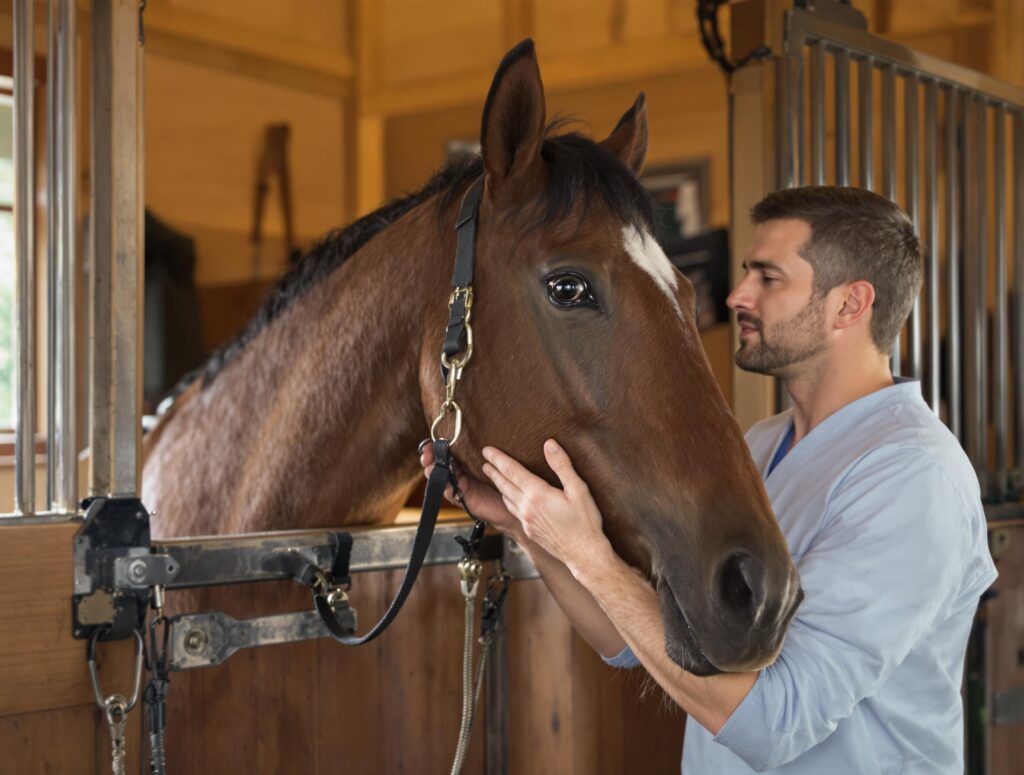
Learn to evaluate your horse’s body condition to decide if they are truly underweight and how much weight they can stand to gain. You should check your horse’s body condition every two weeks to see if your efforts to add bulk are paying off.
The Henneke Horse Body Condition Scoring System is a simple and universal way to gauge your horse’s body condition. It uses a scale of 1 to 9, with 1 being the thinnest.
To evaluate your horse, look at each of six areas individually:
- Tail head
- Crease down the back
- Withers
- Back of neck
- Ribs
- Area behind the shoulder
Use your hands to feel the fat covering each area. Your horse’s fat covering across their body can vary depending on their conformation, the type of work they do, their age, and their breed. A horse with high withers may feel bony in that area but still have plenty of fat covering on their tail head, for example.
When in doubt, ask your veterinarian to evaluate your horse’s weight.
Why Horses Become Underweight
Before making changes to your horse’s diet or activity routine, it is important to see your veterinarian to rule out underlying medical conditions or sources of pain that may be contributing to weight loss or difficulty gaining weight.
Dental pain is a common cause of sudden weight loss in older horses, although it can affect horses of any age. You might notice signs such as spitting out food, favoring one side of the mouth, or reluctance to drink cold water.
An internal health issue, such as gastric ulcers or intestinal parasites,s can also affect your horse’s weight. In these cases, veterinary treatment or products such as equine digestive support and ulcer care may help restore appetite and overall health.
Parasites can also prevent horses from maintaining a healthy body condition. Routine deworming with products from the equine wormers category can help protect your horse from intestinal parasites that interfere with nutrient absorption.
Some horses are naturally hard keepers. They may burn a lot of calories during work or athletic activity, or they may simply have a faster metabolism.
How To Put Weight On A Skinny Horse
Once you have ruled out medical causes and made sure your horse has free access to quality forage, you can consider adding extra calories to help them gain weight.
Grain can add calories to your horse’s diet, but it is generally not the best primary method for weight gain. Grain contains high levels of starch, which can be difficult for horses to digest and may increase the risk of digestive problems such as ulcers or colic when fed in excess.
Instead, focus on calorie-dense forage and healthy fat sources:
- Clover hay, which is higher in calories and protein than many other types of forage
- Alfalfa hay, anotherenergy-richh forage option
- Beet pulp, which provides additional digestible fiber and calories
Adding fat to your horse’s diet can also support safe weight gain. Rice bran, sunflower seeds, and linseed are all good sources of dietary fat for horses.
Fat sources that contain omega-3 fatty acids, such as flaxseed oil and chia seeds, may also support skin and coat health while contributing extra calories.
In addition, many owners choose targeted supplements to support healthy weight gain and overall condition. You can browse available equine supplements at 1800petmeds.
With careful monitoring, quality forage, and appropriate supplementation, most underweight horses can safely reach a healthier body condition over time.