Cushing’s disease is very common in older horses, affecting as many as 21% of those over 15. Starting at about 9 years of age, you may want to be on the lookout for common symptoms to ensure that your horse gets an early diagnosis. Though the disease is incurable, the symptoms can be managed, so your horse can enjoy many more healthy years of riding. Treatment and supportive care may include medications and supplements available in the horse health section.
What Are the Signs of Cushing’s Disease in Horses?
Equine Cushing’s Disease, also known as pars intermedia dysfunction (PID), is caused by a tumor that develops on the pituitary gland that causes the body to secrete excessive amounts of hormones, especially cortisol.
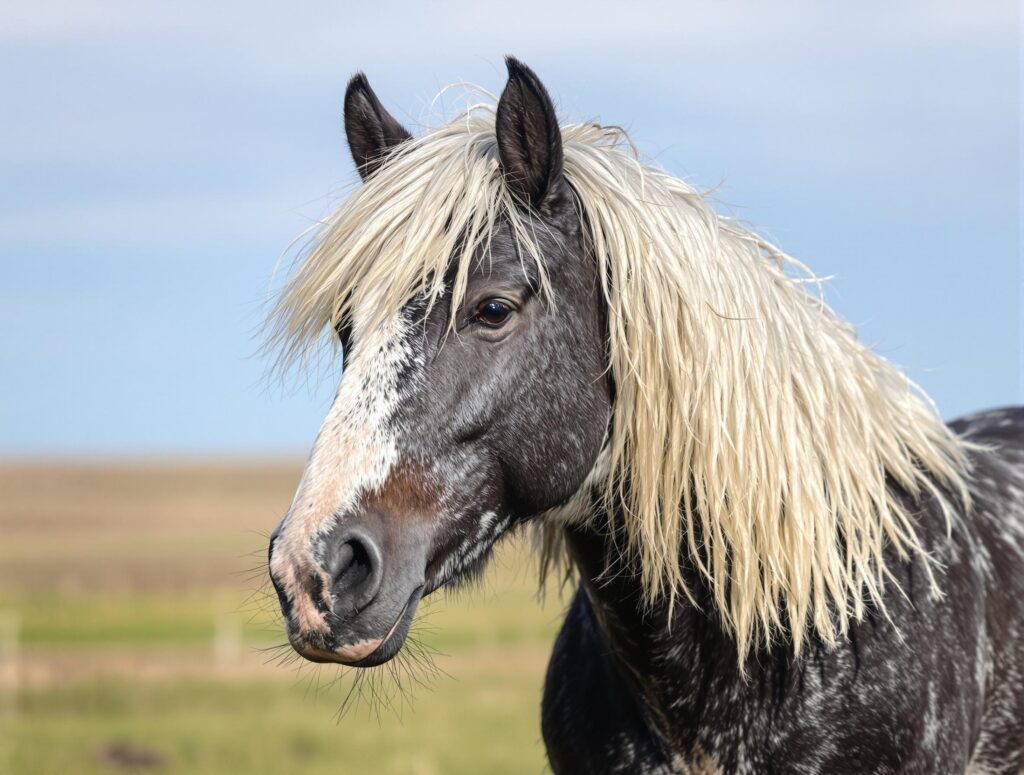
One of the most characteristic signs of Cushing’s disease is a long, curly coat. Shedding of their winter coat may be delayed or may not happen at all, leaving them with a coat that is long and shaggy. However, not all horses with Cushing’s disease will have a long coat.
Weight loss and a loss of muscle tone are common in horses with Cushing’s disease. Loss of back muscle can result in a potbellied or swayback appearance.
It is common to see fatty deposits in unusual areas such as the base of the tail and crest of the neck.
Excessive water drinking and resulting increased urination are also common symptoms.
Cushing’s disease can also affect your horse’s immune system, making them more susceptible to infection. Increased susceptibility to laminitis is another common sign of Cushing’s, as the condition is linked to insulin resistance. Horse owners often support hoof health and metabolic balance with products found in the Horse Supplements category.
Common signs of Cushing’s disease in horses include
- Long or curly hair coat
- Delayed shedding
- Weight loss
- Loss of muscle tone
- Pot-bellied appearance
- Fatty deposits on the neck or tail head
- Increased drinking and urination
- Greater risk of infection
- Increased susceptibility to laminitis
What Is the Best Time to Test for Cushing’s Disease in Horses?
For horses with all classic signs of Cushing’s disease, such as a long curly coat, increased thirst, and increased urination, blood tests may not be necessary for your veterinarian to form a diagnosis.
But for horses with less obvious signs, it can be more difficult to diagnose.
Horses with Cushing’s disease tend to have elevated blood levels of adrenocorticotropic hormone (ACTH). One way for veterinarians to test for it is to check ACTH levels, but it is actually not uncommon for horses without Cushing’s to produce more ACTH from late summer to fall. Because of this seasonal rise, many veterinarians avoid testing from August through October to reduce the chance of a false positive result.
If your veterinarian does not recommend ACTH testing based on the time of year, it is still a good idea to do bloodwork and insulin testing to check in on your horse’s overall health. This helps rule out other underlying causes and monitor insulin resistance so you can take steps to prevent laminitis. Managing metabolic health may also include diet adjustments and supportive products found in the Digestive Care categories.